Thinking about leaving the Denver Metro rush for a little more breathing room? Castle Rock often lands on the shortlist for buyers who want a different daily rhythm without giving up access to the south metro corridor. If you are considering a move, it helps to understand how commute patterns, neighborhood differences, housing options, and timing can shape your decision. Let’s dive in.
Why Castle Rock Appeals to Denver Metro Movers
Castle Rock sits along the I-25 corridor between Denver and Colorado Springs, which makes it a familiar option for people already living in the metro area. For many buyers, the appeal starts with location but grows once they see how much variety the town offers in housing, parks, trails, and daily conveniences.
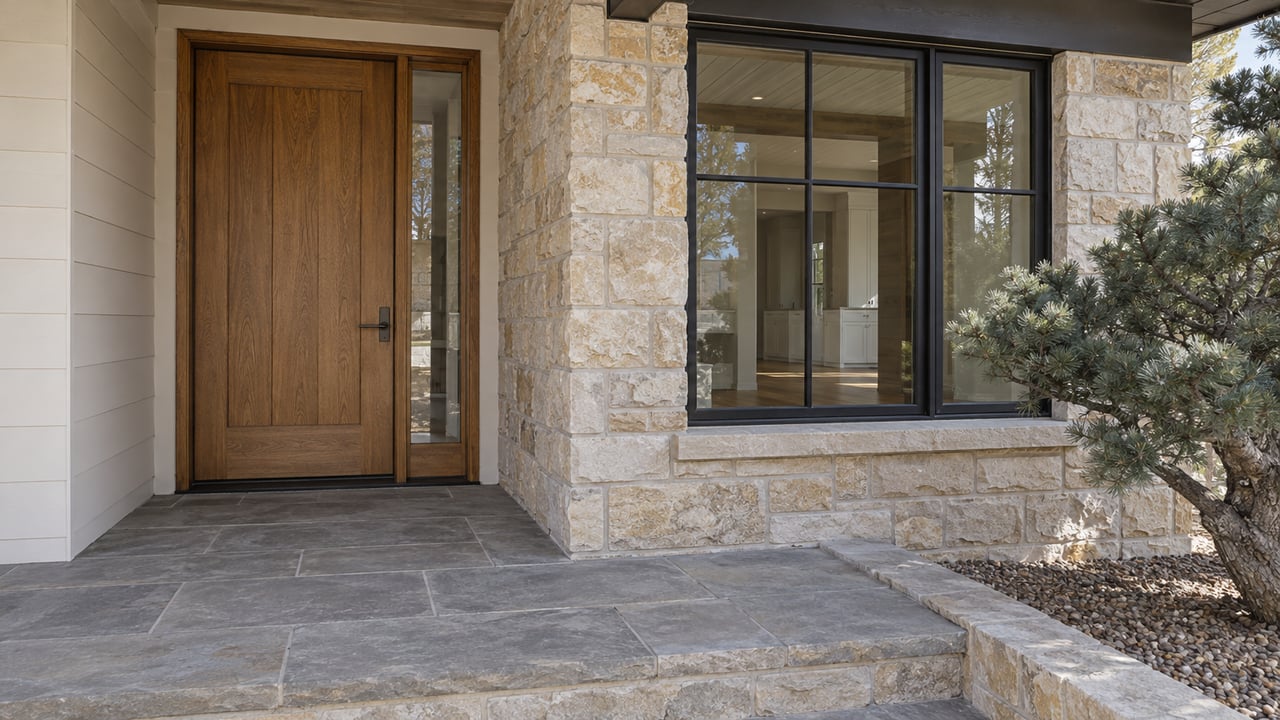
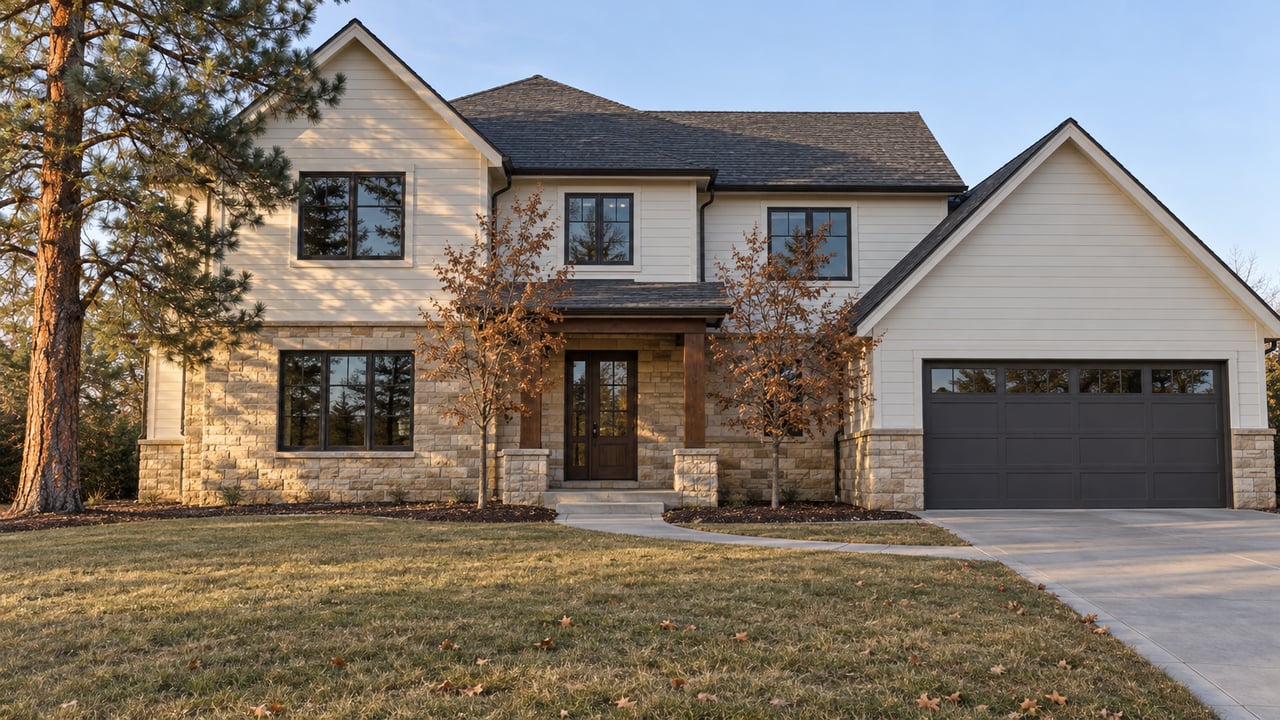
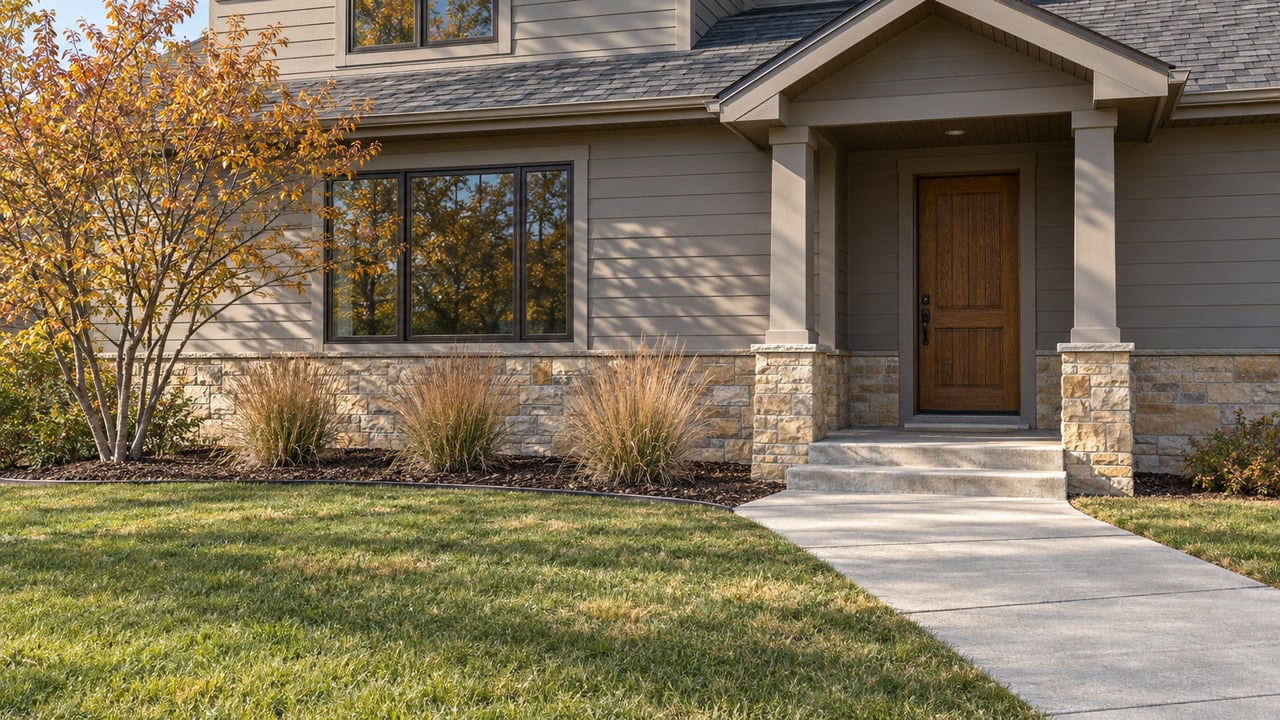
The Town of Castle Rock says there are more than 150 mapped neighborhoods, with homes ranging from 100-plus-year-old properties near the center of town to new construction in many styles and locations. That means a move to Castle Rock is not one-size-fits-all. Your experience can look very different depending on where you land.
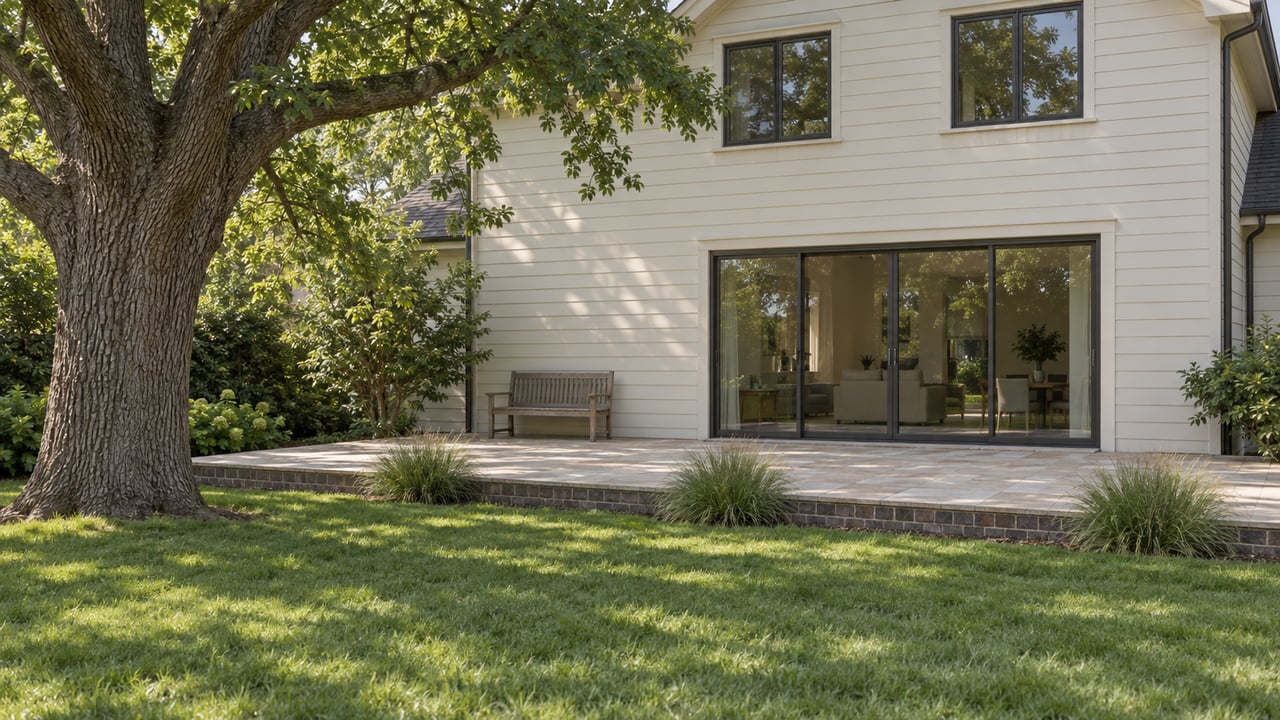
Castle Rock also has a strong outdoor profile. The town highlights 55 parks, 110 miles of trails, and 6,680 acres of open space, which gives many residents easy access to recreation as part of daily life rather than just weekend plans.
Castle Rock Commute Expectations
If you are relocating from Denver Metro, the commute is usually the first practical question. Castle Rock’s mean travel time to work was 28.6 minutes in the 2020-2024 Census data, but your actual drive can vary quite a bit based on where you work, when you travel, and which part of town you choose.
I-25 is the key variable for many households. CDOT notes that the South Gap express lanes from Monument to south of Castle Rock are open 24/7 and include toll, HOV, motorcycle, and transit options, which can affect how you plan regular travel along the corridor.
If you are looking in southern Castle Rock, pay close attention to access points and road patterns. The Town says its top current transportation project is the Crystal Valley Interchange, with added northbound and southbound on and off ramps scheduled for full completion in 2027. That is important because trip patterns in that area are still evolving.
How to test your real commute
Before you choose a neighborhood, test the route you would actually drive. A map estimate is helpful, but it does not always reflect your real schedule or stress level.
Here are a few smart ways to evaluate commute fit:
- Drive the route at the same time you would normally leave for work
- Compare homes north of downtown Castle Rock with homes farther south
- Check how close each neighborhood is to major interchanges
- Consider whether express lane access would be part of your regular routine
Castle Rock Housing Is Highly Neighborhood Specific
One of the biggest mistakes buyers make is assuming Castle Rock has one general housing style. It does not. The town includes historic central homes, suburban neighborhoods, newer master-planned communities, downtown residences, apartment houses, and newer projects such as Mercantile Commons, Riverwalk, and Encore.
That variety is a big plus, but it also means you should compare neighborhoods closely instead of judging the whole town with one impression. Lot size, yard space, age of home, street layout, and access to downtown can all vary from one area to the next.
Census data also shows Castle Rock is still predominantly owner-occupied, with a 78.8% owner-occupied housing unit rate. The same source lists a median value of owner-occupied homes at $652,900 and median gross rent at $2,000, which helps frame the market for both buyers and renters weighing their next step.
What to compare from one neighborhood to another
When you tour homes, look beyond finishes and square footage. The better comparison is how the neighborhood supports your day-to-day routine.
Focus on details like these:
- Distance to I-25 and major roads
- Proximity to downtown Castle Rock
- Home age and maintenance expectations
- Lot size and yard usability
- HOA structure
- Whether the property is in a metro district
Understand Metro Districts Before You Buy
This is one of the most important details for relocation buyers. The Town of Castle Rock says some neighborhoods use metropolitan districts, which are separate taxing entities created by developers to fund infrastructure and public improvements.
That does not automatically make a neighborhood better or worse, but it does mean the full cost of ownership may differ from one property to another. Before you get emotionally attached to a house, review the parcel tax bill and any HOA or metro district documents so you understand the bigger picture.
This is especially helpful when you are comparing newer neighborhoods with older central areas. Two homes at similar price points may have very different monthly and annual ownership costs.
Daily Life in Castle Rock
A move is not only about the house. It is also about how your weekdays and weekends will feel once you are settled in.
Castle Rock’s amenities support a more outdoors-oriented routine than many denser parts of Denver. The Town highlights places like Rock Park, Philip S. Miller Park, and the Miller Activity Complex as major amenities, and many buyers find that easy trail access and open space become part of the reason they stay long term.
The Recreation Center also adds convenience for households who want in-town fitness and activity options. The Town says it includes a pool, indoor track, fitness studios, locker rooms, racquetball and wallyball courts, child-watch for ages 1 through 8, and early weekday opening hours.
Downtown Castle Rock in everyday life
Downtown Castle Rock plays an important role in the town’s rhythm. The Town describes it as the historic and civic core, with historic buildings, local restaurants and shops, apartment houses, and ongoing redevelopment.
It is worth spending time downtown before you buy, even if you think you want a more suburban neighborhood. Events such as the Festival Park Farmers Market and First Fridays can help you see how the area feels during regular community activity, not just during a quick daytime drive-through.
What to Know About Schools and Feeder Areas
If school planning matters to your move, Castle Rock is a market where details matter. Douglas County School District says Castle Rock has two feeder systems, Castle View High School and Douglas County High School.
The district also notes that Castle Rock schools include options and programming such as AP, concurrent enrollment, career and technical education, preschool, athletics, and before and after-school programs. Because school assignment and feeder patterns can affect your home search, verify the specific feeder for any property you are considering rather than assuming it based on neighborhood name alone.
Even if you do not have school-aged children, this is still useful information during your search. It is one more example of why Castle Rock should be evaluated neighborhood by neighborhood.
Timing Your Move From Denver Metro
If you are selling in one part of metro Denver and buying in Castle Rock, timing deserves careful attention. Recent market snapshots suggest Castle Rock remains active and relatively fast-moving.
For the three months ending April 2026, Redfin reported a median sale price of $643,668 and average days on market of 25. Realtor.com reported a median listing price of $725,000, 832 homes for sale, and described Castle Rock as a seller’s market in March 2026.
The main takeaway is simple: do not assume you will have a long, easy overlap window between your departure from Denver Metro and your Castle Rock purchase. If your timeline includes a home sale, school transition, or lease end, planning early can save you stress.
Build a realistic relocation timeline
A smoother move usually starts with a few key steps done early. This is where strategy matters just as much as excitement.
Try to line up these items as soon as possible:
- Pre-approval before serious home shopping
- A realistic target date for listing your current home, if needed
- Inspection and contract timing expectations
- Lease end dates, if you are renting
- A possible temporary housing backup plan
For some households, a short-term buffer can be useful if one closing moves faster than the other. That is not always necessary, but it is smart to think through before you are under pressure.
A Smart Way to Explore Castle Rock
The best relocation decisions usually come from side-by-side comparison, not guesswork. Castle Rock has enough variety that your ideal fit may not be the first area you tour.
A strong search often includes older central neighborhoods, newer master-planned subdivisions, and downtown-adjacent options. Looking at a range helps you understand what matters most to you, whether that is commute access, home age, outdoor amenities, or proximity to downtown.
As you narrow your options, keep this checklist in mind:
- Verify the school feeder for each property
- Test the actual route to work
- Confirm whether the home is in a metro district
- Compare ownership costs, not just purchase price
- Visit downtown Castle Rock during a normal week and on an event day
Relocating within the Denver Metro area can feel easier than an out-of-state move, but it still comes with plenty of decisions. The right guidance can help you sort through neighborhood tradeoffs, move timing, and offer strategy without adding unnecessary pressure.
If you are planning a move to Castle Rock from Denver Metro, working with an experienced local broker can make the process clearer from the start. Laura Cantalamessa offers thoughtful, no-drama guidance for buyers, sellers, and relocation clients across Castle Rock and the south metro area.
FAQs
What is the commute from Castle Rock to Denver Metro like?
- Castle Rock residents had a mean travel time to work of 28.6 minutes in 2020-2024 Census data, but your actual commute will depend on your destination, schedule, neighborhood location, and whether you use I-25 express lanes.
What types of homes can you find in Castle Rock?
- Castle Rock includes more than 150 mapped neighborhoods, with housing that ranges from older central homes to new construction, downtown residences, apartment houses, and suburban master-planned communities.
What should you know about Castle Rock metro districts?
- Some Castle Rock neighborhoods are in metropolitan districts, which the Town defines as separate taxing entities created to fund infrastructure and public improvements, so it is important to review tax bills and related documents before buying.
Is Castle Rock more suburban than central Denver neighborhoods?
- In many ways, yes. Castle Rock’s parks, trails, open space, recreation facilities, and neighborhood layout support a more suburban and outdoor-oriented daily routine than denser parts of central Denver.
How should you explore neighborhoods in Castle Rock before moving?
- A good approach is to compare older central areas, downtown-adjacent housing, and newer neighborhoods side by side while also testing your commute, verifying the school feeder, and checking whether each property is in a metro district.