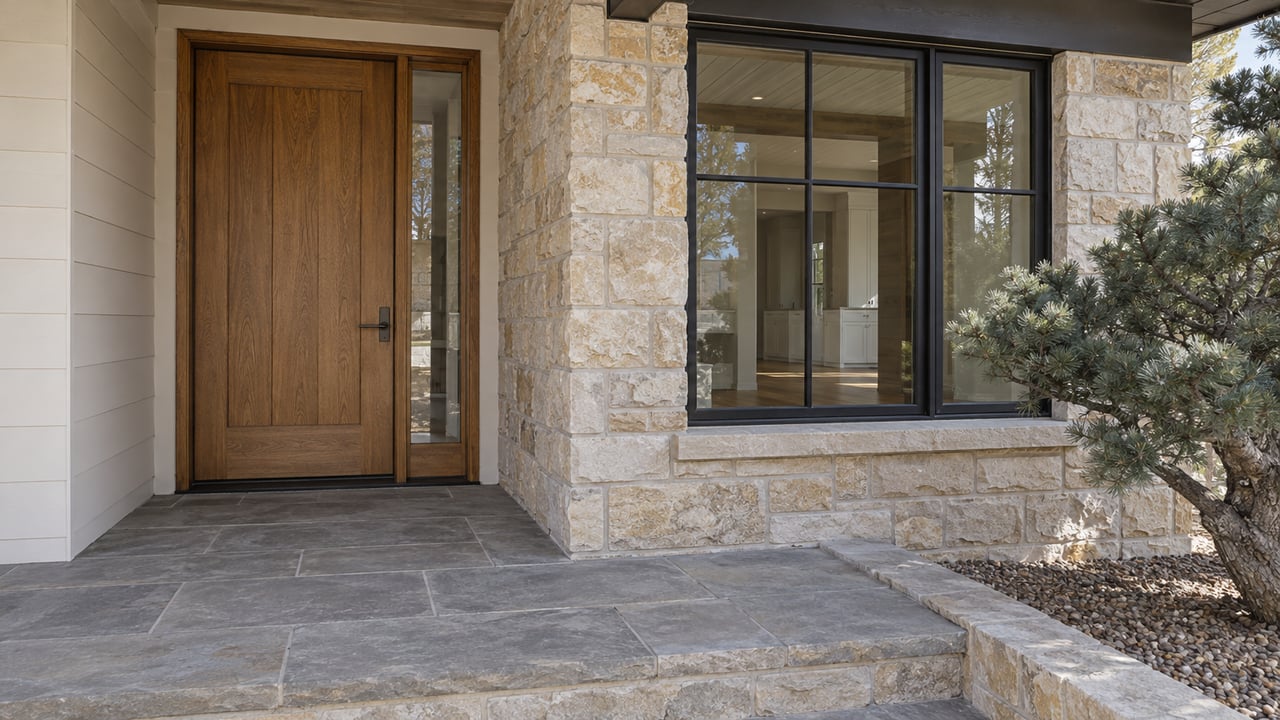
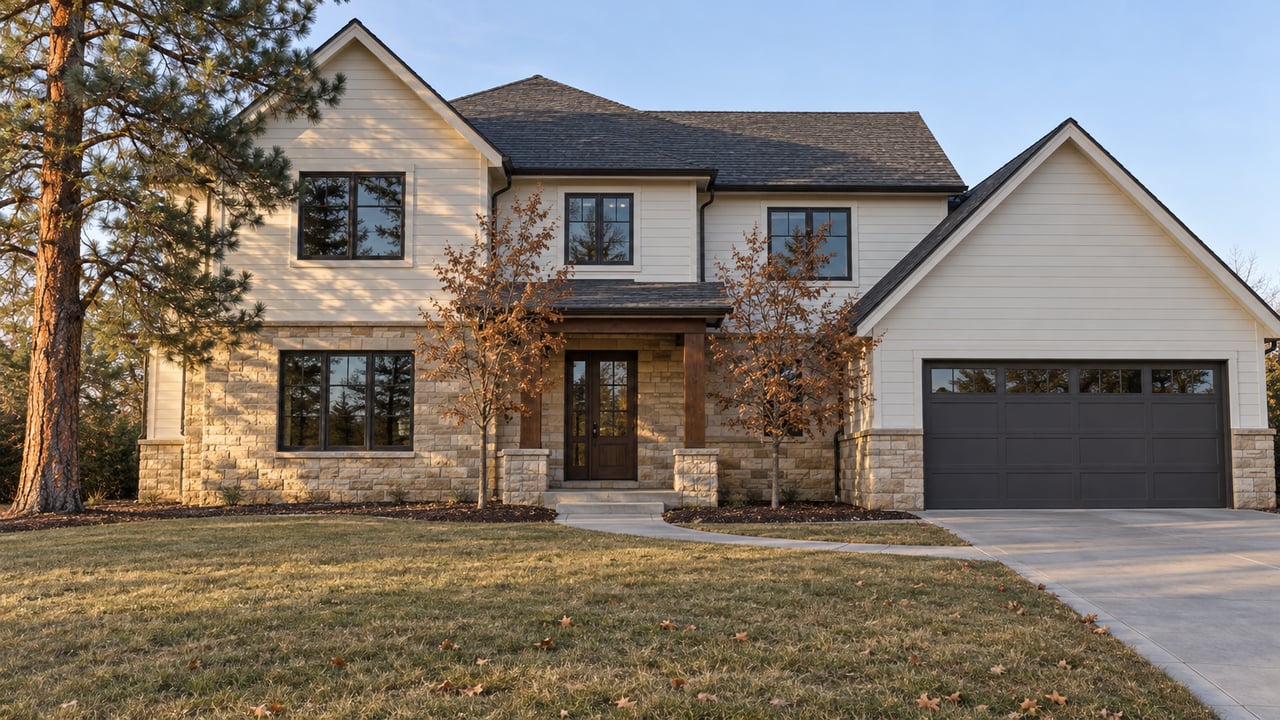
Two listings, half a mile apart, both in Parker, both priced at $650,000, both roughly 2,400 square feet. On paper they look like the same decision. Pull the tax line on each one and they are not the same decision at all. One home sits in a neighborhood platted before 2000, taxed the ordinary way. The other sits inside a metropolitan district, and its owner is paying down bonds that financed the roads, the pond, and the pocket park down the street. Same price. Different bill, every year, for years to come.
This is not a rare edge case in Parker. It is close to the default. Douglas County's population went from roughly 60,000 residents in 1990 to more than 380,000 today, and most of that growth arrived through master-planned subdivisions built after 2000, financed the same way Colorado finances almost all of its new-build infrastructure now: through a special taxing district instead of a bond the town itself carries. Across the state there are nearly 2,500 of these districts. Douglas County is one of the most district-dense counties in the country, and Parker's newer neighborhoods carry more than their share.
What a metro district actually is
A metropolitan district is a real unit of local government, created under Colorado's Title 32, with its own board and its own power to issue bonds and levy property tax. Developers form them to pay for the public infrastructure a new subdivision needs before a single house closes: streets, water and sewer lines, drainage, sometimes the parks and trails that show up in the marketing brochure. The district borrows the money up front, then repays it over time by taxing the homes built inside its boundaries. It is separate from the town of Parker, separate from Douglas County, and separate from any homeowners association covering the same streets.
Trails at Crowfoot, on Parker's south side near Crowfoot Valley Road, is governed by three of these districts, Metropolitan District Nos. 1 through 3, and posts its own meeting notices and budgets the way any small government would. Stonegate, one of Parker's older and larger planned communities, runs its trails, pools, and tennis courts through its own metropolitan district as well, which is a useful reminder that this is not only a brand-new-construction issue. A district formed in the 1990s can still be collecting debt service decades later.
The math that actually moves your bill
Colorado property tax runs on a simple structure with an unforgiving amount of stacking. The county assessor sets your home's assessed value, and every taxing entity with authority over your parcel applies its own mill levy to that same assessed value. A mill is one dollar of tax per one thousand dollars of assessed value. County, town, school, fire, and water levies all apply first, and they are roughly the same for two comparable homes in the same part of Parker.
Here is where the two listings above stop looking alike:
| Layer | Who sets it | Applies to |
|---|---|---|
| County | Douglas County Board of County Commissioners | Every parcel in the county |
| Town | Parker Town Council, or the county for unincorporated land | Parcels inside town limits |
| School, fire, water and similar districts | Each district's own board | Parcels within each district's boundary |
| Metro district (only if the home sits inside one) | The district's own board, developer-controlled in early build-out | Only parcels within that district |
That last row is the one that changes the outcome. Mile High Title Guy says a district's debt-service mill levy is typically capped in its service plan at around 50 mills, with a repayment term of up to 40 years. Many districts layer a separate operations levy on top of that for ongoing maintenance. Added together, real estate professionals across the Denver Metro routinely describe a district's extra mills as adding somewhere between $1,000 and $3,000 or more to a household's annual tax bill, and in some cases close to doubling what an otherwise identical home outside the district would owe. The house did not get more expensive to build. The way it pays for its own streets did.
There is a second layer to this that most buyers never see coming. The property tax figure sitting in an MLS listing is a historical number pulled from the previous tax year. On new construction inside a district, that figure often reflects a year when the lot was still dirt and the district had barely begun certifying its levy. The number on the listing and the number on your first full year's bill can be meaningfully different, through no fault of anyone involved. It is simply how far behind the paperwork runs.
Why the county's tax relief doesn't cancel this out
Douglas County's Board of County Commissioners has actually cut the county's own portion of the property tax bill in six of the last eight years, most recently trimming the county mill levy by 3.679 mills for about $37.8 million in relief. That is a genuine reduction, and it deserves credit as one. It is also, in many of the neighborhoods carrying a metro district, roughly a fifth the size of the district line sitting directly above it on the same bill. A homeowner can read an accurate headline about the county lowering taxes and still watch their total bill climb, because the biggest number on the page was never the county's to begin with.
When you're actually supposed to see this
Colorado does require disclosure, and it happens in three separate places, at three separate points in a transaction, rather than in one clean document a buyer can count on seeing all at once.
- In the contract itself. The standard Colorado purchase agreement carries a disclosure about special taxing districts. For some sales, the seller also has to provide the buyer with the district's official website.
- In the county's recorded records. The Colorado Association of Home Builders says a public disclosure statement naming the district and its powers to tax, borrow, and charge fees is required to be recorded in the real property records and can be pulled at the Douglas County Clerk and Recorder alongside the deed.
- In the district's own annual transparency notice. Every district is required to publish contact information for its board and manager, its current mill levy, and the date of its next election, though nothing requires that notice to land in a buyer's inbox unprompted.
The Colorado Department of Local Affairs keeps a statewide registry of these districts, but it does not audit them or enforce how they spend, borrow, or set levies. The oversight that matters most, in practice, is a buyer or their agent actually requesting the district's budget, its bond documents, and its current levy before the inspection period closes, not after.
Metro district or HOA: not the same bill
It is easy to assume a metro district and a homeowners association are the same conversation, and they are not. An HOA collects dues to cover covenants, architectural review, and shared amenities. A metro district levies property tax to fund and repay public infrastructure. Many Parker neighborhoods, including Trails at Crowfoot and Stonegate, carry both, which means a buyer can be budgeting for monthly HOA dues and an annual district mill levy at the same time, on top of the county, town, and school taxes everyone pays regardless of neighborhood.
What this means if you're comparing Parker neighborhoods
Comparing two Parker homes on list price alone, or even on the tax figure printed in the listing, leaves out the part of the math that actually determines your carrying cost five years from now. In a newer district's early years, board control can affect mill-levy and bonding decisions. That is not a reason to avoid these neighborhoods. Amenities like Trails at Crowfoot's community park and Stonegate's pools exist because the district paid for them. It is a reason to ask for the district's actual current mill levy and budget before you write an offer, rather than after you've moved in.
A few questions worth asking before you write an offer
What is a mill, in plain terms? One mill equals one dollar of tax for every one thousand dollars of a property's assessed value. Multiply your home's assessed value by the total mills applied to it, divide by 1,000, and that is your annual property tax.
Does every newer Parker neighborhood have a metro district? Not every one, but most subdivisions platted after 2000 do, since it became the standard way Douglas County financed new infrastructure during its fastest growth years. Older sections of Parker, and some infill parcels, sit outside any district.
Can a district's mill levy change after I buy? Yes. A district's mill levy can change after you buy.
Comparing homes in Parker means comparing more than the number on the sign. It means knowing which side of a district boundary you're standing on, and what that boundary is quietly going to cost you every year you own the house. If you want a second set of eyes on a specific address before you make an offer, Laura Cantalamessa can help you pull the actual mill levy and walk through what it means for your budget, not just your closing day.
This article is general information, not legal, tax or financial advice. Consult a qualified professional about your situation.